| By Woodbridge Fire Dept. | |
| November 21, 2012 | |
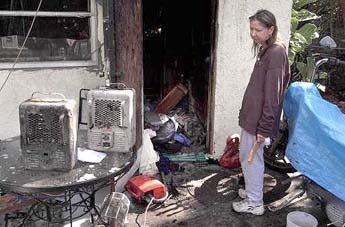
| The United State Fire Administration (USFA) and National Fire Protection Association (NFPA) are working together to remind everyone that home fires are more prevalent in winter than in any other season. This is due in part to an increase in cooking and heating fires. Holiday decorations and winter storms that can interrupt electrical service and cause people to turn to alternative heating sources also contribute to the increased risk of fire in winter. Winter fires can be prevented! Winter fire safety tips from NFPA Heating equipment is one of the leading causes of home fires during the winter months. In fact, half of all home heating fires occur in December, January, and February. According to NFPA's Home Fires Involving Heating Equipment report, heating equipment was involved in an estimated 58,900 reported home structure fires in 2009, resulting in 480 civilian deaths, 1,520 civilian injuries, and $1.1 billion in direct property damage.
• Keep anything that can burn at least three feet away from heating equipment, like the furnace, fireplace, wood stove, or portable sapce heater. • Have a three-foot "kid-free zone" around open fires and space heaters. • Never use your oven to heat your home. • Have a qualified professional install stationary space heating equipment, water heaters or central heating equipment according to the local codes and manufacturer's instructions. • Have heating equipment and chimneys cleaned and inspected every year by a qualified professional. • Remember to turn portable heaters off when leaving the room or going to bed. • Always use the right kind of fuel, specified by the manufacturer, for fuel burning space heaters. • Make sure the fireplace has a sturdy screen to stop sparks from flying into the room. Ashes should be cool before putting them in a metal container. Keep the container a safe distance away from your home. • Test smoke alarms monthly. Reproduced from NFPA's website, © NFPA 2012 |
|
|
|